Where timeless eras meet modern elegance
Welcome to Era Dream Clothing — a journey through Myanmar’s rich history and timeless elegance.
Our designs are inspired by the soul of each era — from the golden light of Bagan to the grace of Inwa, the royal splendor of Yadanabon, and the quiet strength of the Kolone period.
We weave the past into the present, creating clothing that honors heritage and empowers modern beauty.
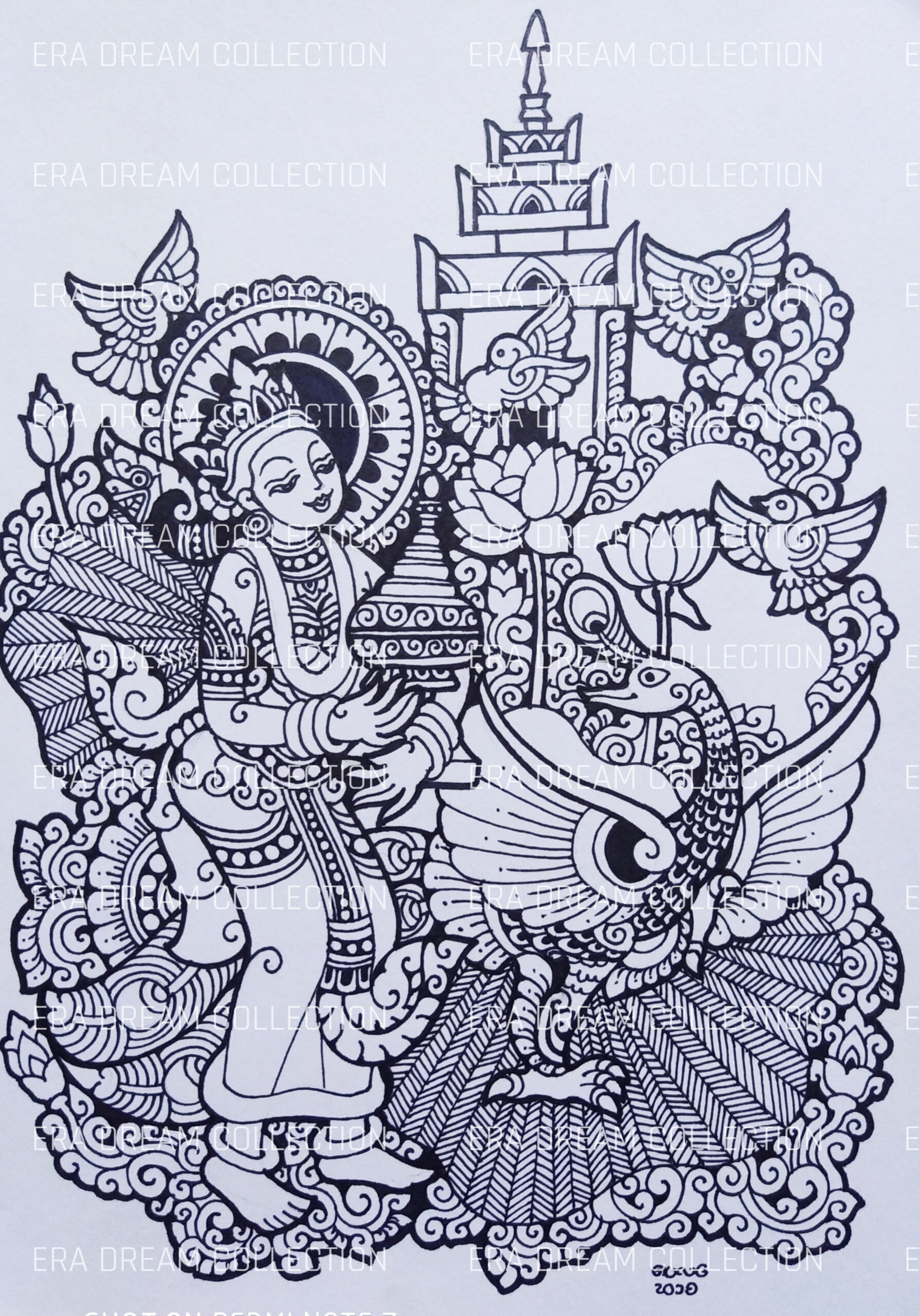
Historical eras of Myanmar
Myanmar (Burma) has a rich and layered history spanning thousands of years, and historians typically divide it into several major eras or periods, based on archaeological, political, and cultural developments.Here’s a simplified overview of the main historical eras of Myanmar:
Bagan Era (849 – 1297 AD)
Founded by King Anawrahta in 1044 AD. First unification of MyanmarThe Bagan Era (also spelled Pagan Era) is one of the most glorious and defining periods in Myanmar’s history. It marks the emergence of the first unified kingdom in Myanmar and laid the foundation for the country's Buddhist identity, culture, and architecture.located in present-day Mandalay Region
Bagan Era Clothing
Bagan Era clothing, which reflects the fashion and cultural expressions of Myanmar (Burma) during the Bagan period (9th to 13th century AD) — a time of flourishing art, architecture, and Theravāda Buddhism.
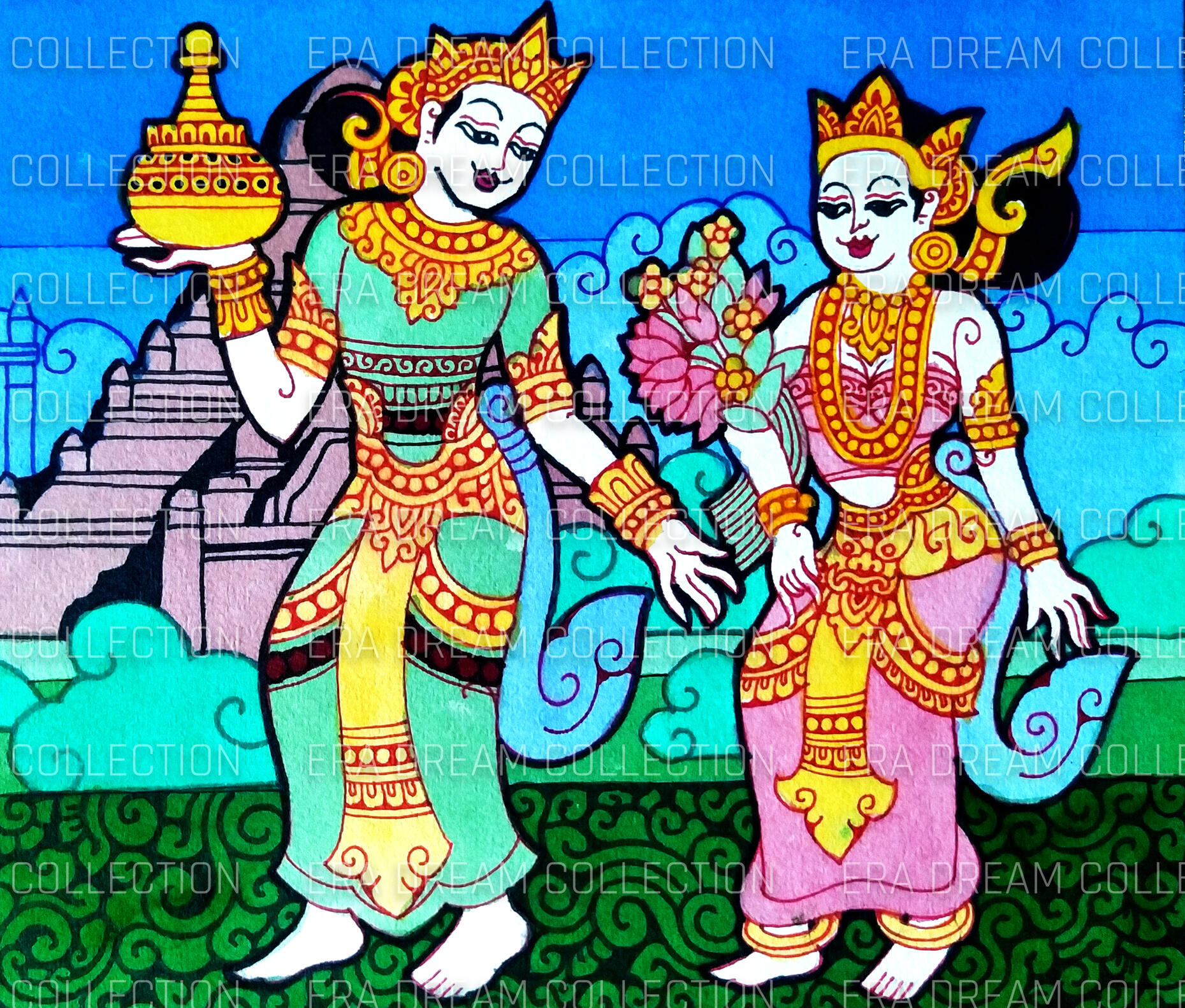
Royalty & Aristocracy
Men:Wore longyi-style lower garments (called paso).Upper garments included robes or cloth draped around the shoulders, sometimes leaving one shoulder bare in a Buddhist-influenced style.Often went bare-chested with adorned bodies using golden necklaces, armlets, and earrings.Headgear like turbans or crowns signified their status.Women:Wore htamein (a type of long skirt), often in rich silk or cotton.Blouses or tight-fitting tops, sometimes wrapped in fabric.Hair was worn in elaborate styles, often with flower or jeweled hairpins.Jewelry such as gold bracelets, necklaces, and earrings symbolized wealth and rank.
Innwa Era (1364 – 1555 AD)
Founded in 1364 by King Thado MinbyaThe Innwa Era, also known as the Ava Period, is a significant part of Myanmar’s post-Bagan history. Here's a detailed overview of the Innwa Era (Inwa Dynasty):Located near present-day Mandalay, at the confluence of the Ayeyarwady and Myitnge rivers
Innwa Era Clothing
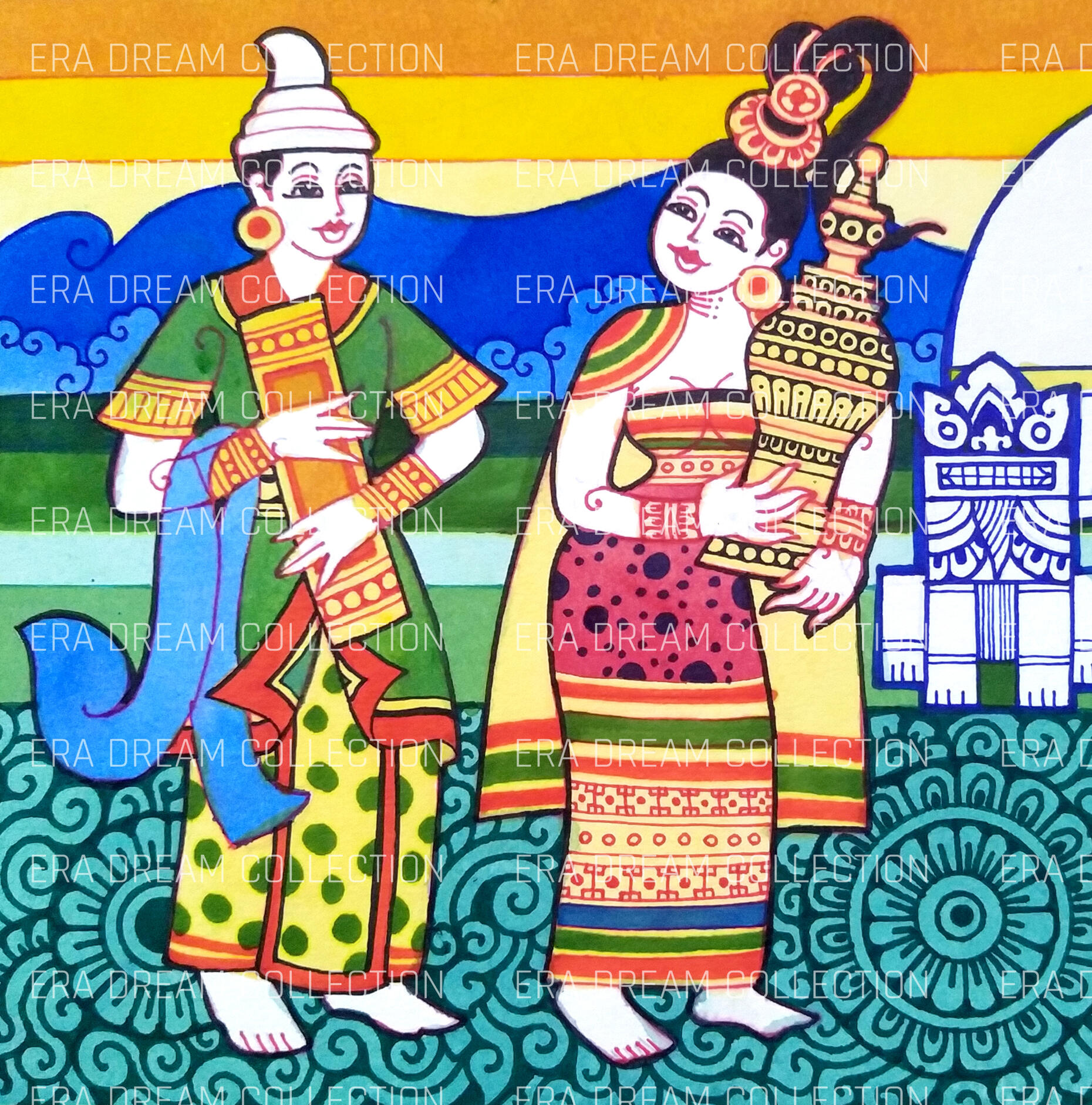
A time of artistic revival and cultural consolidation, the Innwa Dynasty preserved traditions from the Bagan era while also evolving its own unique styles.
Royalty & Aristocracy
Men:
Wore paso (sarong-style lower garment), often made of fine silk with intricate patterns.Upper body: Draped shawls or tight-fitting jackets (known later as taikpon) made of embroidered cloth.Often barefoot indoors, but wore sandals or leather footwear during travel or ceremonies.Accessories:Gold or silver jewelry: armlets, bangles, ringsSash belts and sometimes swords (status symbol)Headdress: turbans or royal crowns (magaik) for kings and princesWomen:
Wore htamein (long wraparound skirt), in silk or cotton, often in floral or geometric designs.Upper body: Fitted blouse or fine shawl wrapped across the shoulders.Hairstyles: Often done in high buns or coiled knots, decorated with gold pins, flowers, or jewels.Accessories:Earrings, necklaces, braceletsThanaka applied to the face for beauty and sun protection
Konbaung Era (1752–1885 AD)
Founded by: King AlaungpayaThe Konbaung Era (also spelled Kone Baung or Konbaung Dynasty) was the last monarchy of Myanmar, and it was a time of great political, military, and cultural significance — including notable developments in clothing, art, education, and modernization.The Konbaung Dynasty unified all of Myanmar, expanded territory, and faced three wars with the British, leading to colonial rule in 1885.
Konbaung Era Clothing
Clothing in this era was highly symbolic of social class — clearly distinguishing between the royalty, nobility, monks, and commoners. The styles became more refined, colorful, and elaborate than in earlier periods.
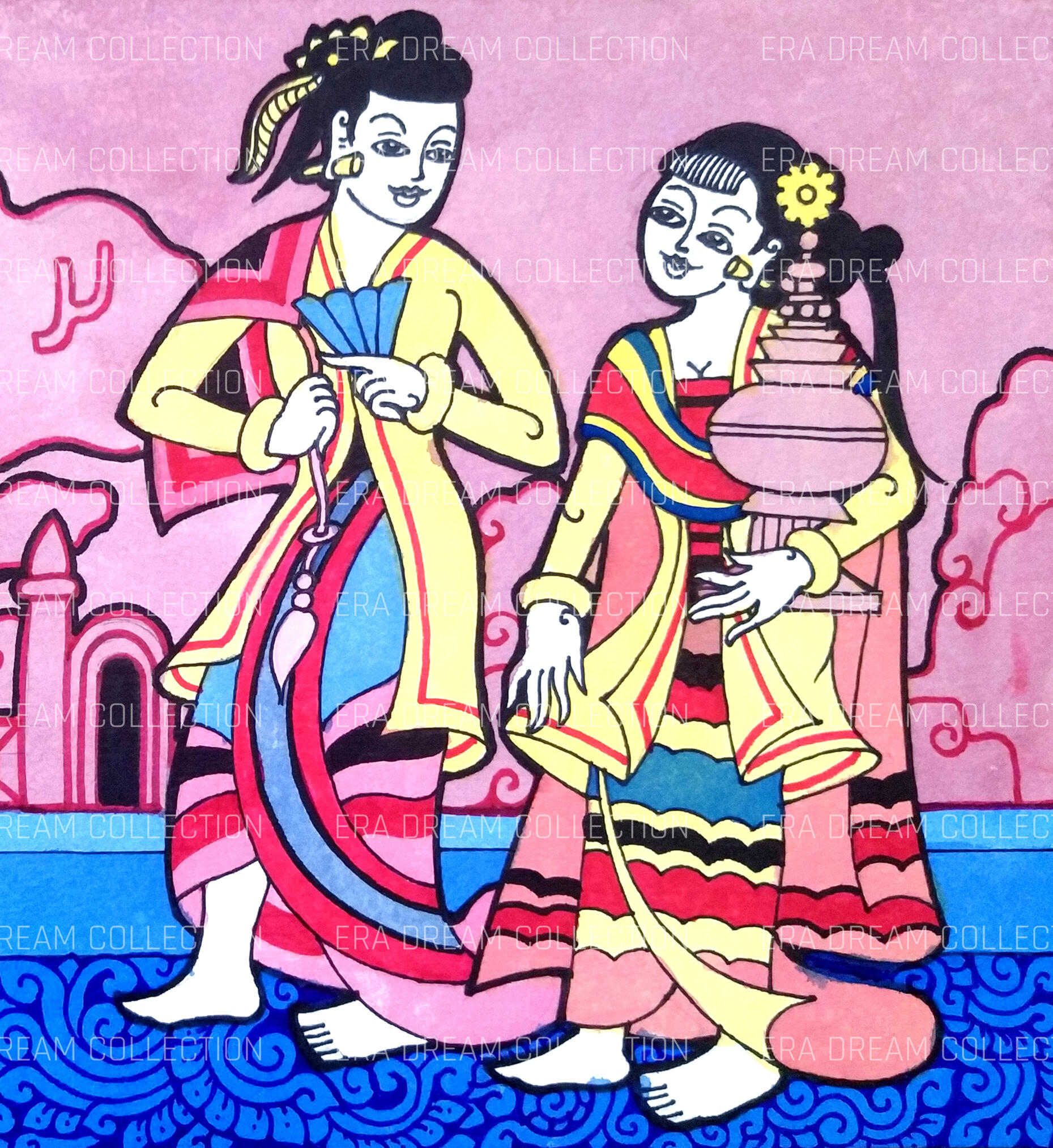
Royalty & Aristocracy
Men:
Wore taungshay paso – a longyi-style lower garment tied in the front, often with bold, royal patterns (zigzag, peacock feather, or floral).Upper body: A taikpon jacket (tight-fitting long-sleeved shirt) and an embroidered velvet robe (called "salwe") across one shoulder.Turbans or golden headdresses denoted rank.Richly decorated with gold chains, badges of rank, swords, and embroidered slippers.Women:
Wore htamein with elegant silk, embroidered borders, and lace.Upper garment: A yinzi (blouse with buttons), sometimes with lace shawls.Hairstyles: Side buns or high chignons, decorated with gold pins, fresh flowers, or jeweled combs.Heavily adorned with earrings, necklaces, bracelets, and rings.Royals often used umbrellas (hti) and fans as status symbols.
Amarapura Era (1783–1821 & 1842–1857)
Amarapura, meaning “City of Immortality,” was the royal capital of Myanmar during two separate periods under the Konbaung Dynasty.First Capital Period (1783–1821)
Established by King Bodawpaya (Badon Min) in 1783.He moved the capital from Sagaing to Amarapura.Focused on religious reforms, codification of Buddhist scriptures, and cultural revival.Amarapura became a center of Buddhist learning and artistic achievement.Second Capital Period (1842–1857)
Capital temporarily moved back to Amarapura by King Tharrawaddy and continued under King Pagan.In 1857, the capital was moved permanently to Mandalay by King Mindon, marking the end of Amarapura as a royal seat.
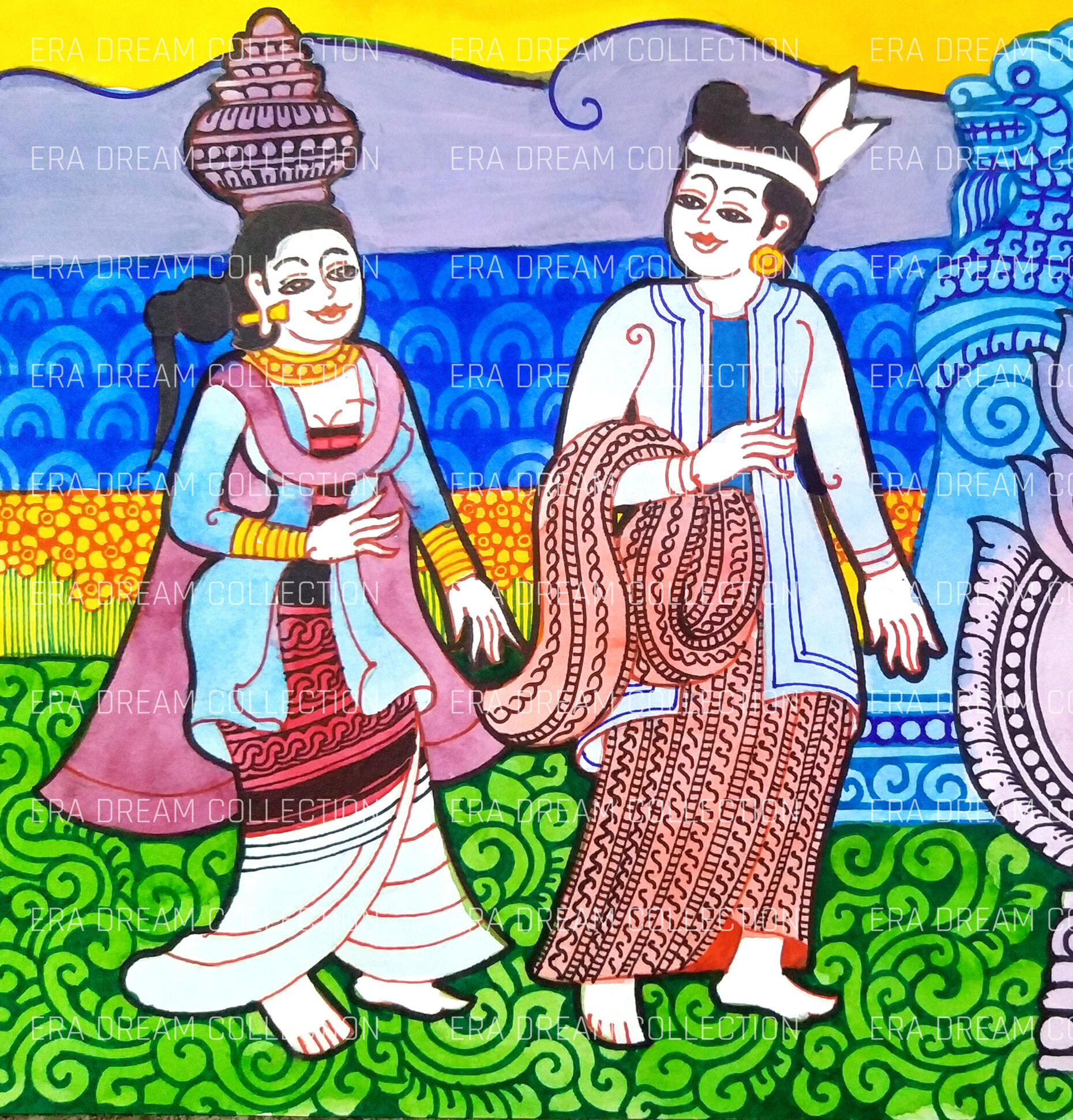
Amarapura Era
Being part of the Konbaung Dynasty, the Amarapura period reflected refined, elegant court fashion, evolving in detail and richness. Let’s break it down:
Royalty & Aristocracy
Men:
Taungshay paso with heavy silk, gold embroidery, or royal motifs (peacocks, floral waves).Taikpon jacket (tight-fitting, long-sleeved, buttoned shirt).Velvet robes draped across the shoulder or worn in court ceremonies.Headdress: Gaung baung (silk headwrap) or golden crown for royalty.Accessories: Gold chains, rings, ceremonial swords, embroidered slippers.Women:
Htamein with rich floral or zigzag patterns, silk or satin fabric with gold-thread borders.Upper garment: Yinzi (blouse) often made of lace or silk, and sometimes sheer.Hairstyles: Elegant top knots or side buns adorned with jewels, flowers, and hairpins.Wore perfumed oils, used thanaka, and had full makeup styles for special occasions.
Yadanabon Era (1857–1885 AD)
The Yadanabon Era refers to the period when Mandalay (also known as Yadanabon) served as the final royal capital of Myanmar during the late Konbaung Dynasty. This era is considered the last golden chapter of Myanmar's monarchy before British colonization.Named after Yadanabon Naypyidaw, meaning “City of Gems.”Centered in Mandalay, founded by King Mindon Min in 1857.Ended with the British annexation of Upper Burma in 1885, during the reign of King Thibaw, the last monarch of Myanmar.Key Kings:
King Mindon (1853–1878): A reformer king who modernized the administration, economy, and culture.King Thibaw (1878–1885): His reign ended with the fall of the monarchy after the Third Anglo-Burmese War.
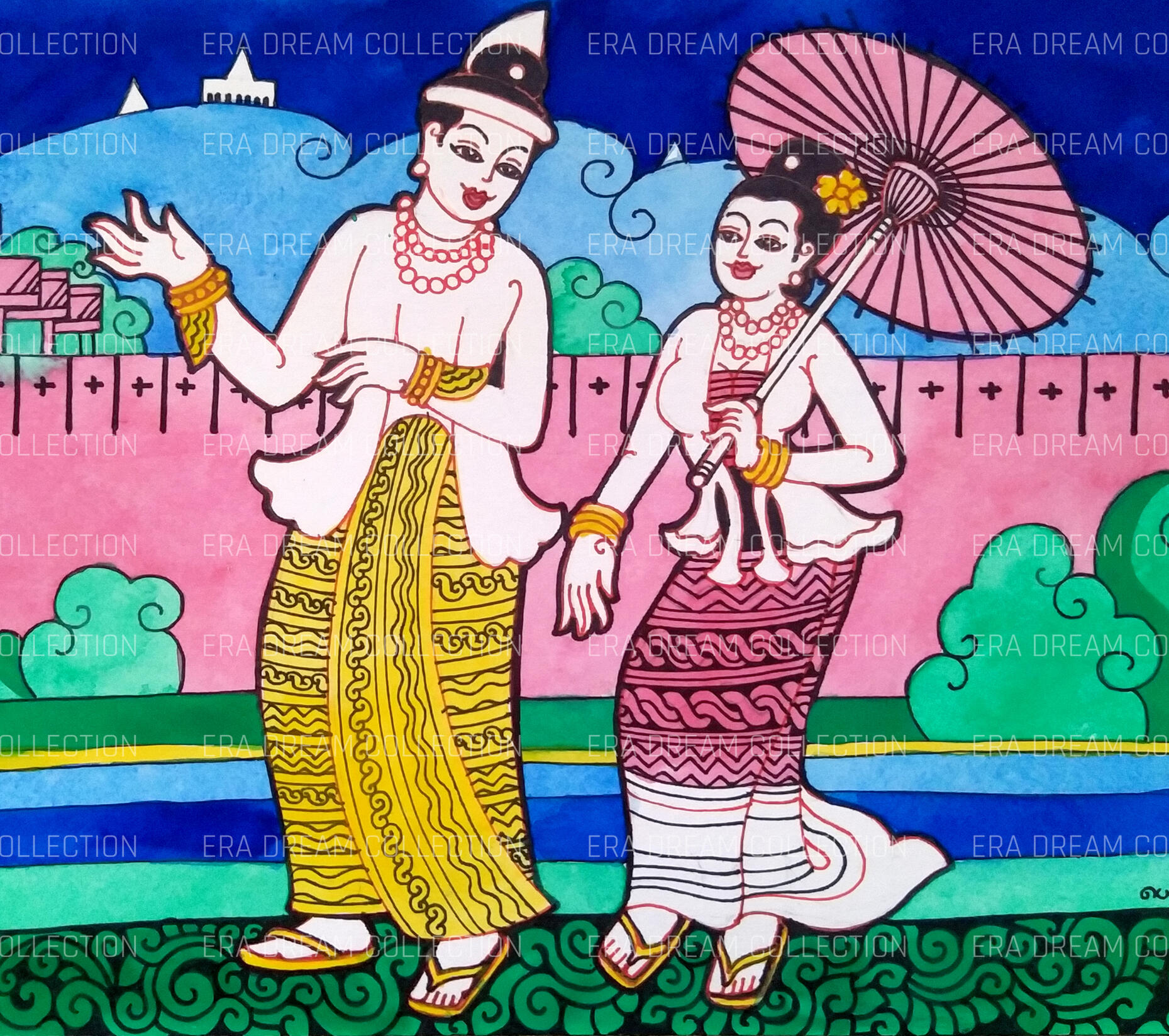
Clothing in the Yadanabon Era (Mandalay Period)
This era represents the pinnacle of Myanmar court fashion. Outfits were richly designed, highly symbolic, and carefully regulated by royal decree.
Royalty & Aristocracy
Men:
Taungshay Paso: Silk with zigzag, wave, or peacock patterns.Taikpon jacket: Tailored jacket with brass or gold buttons.Velvet or silk robe draped across the shoulder (salwe).Headwear:Gaung baung (formal turban)Royal crowns for kings and princesAccessories:Gold chains, shoulder cords, badgesSwords, slippers embroidered with gold or pearlsWomen:
Htamein: Made of Mandalay silk, often bright with horizontal floral or checkered patterns and metallic threads.Yinzi blouse: Tight-fitting, buttoned down the front, sometimes with lace or gold-thread edging.Side-bun (Sabe pan) or cone-shaped high bun, decorated with:Fresh flowers (jasmine, tuberose)Gold and jeweled hairpinsJewelry:Heavy earrings, multi-layer necklaces, armlets, bangles, toe ringsPerfumed oils and makeup including thanaka and red lips.
Colonial Era (1824–1948)
This period began with British colonization and had a major impact on politics, economy, education, lifestyle, and clothing.Three Stages of Colonization:First Anglo-Burmese War (1824–1826)
British seized Arakan and Tenasserim.Second Anglo-Burmese War (1852)British took Lower Burma, including Yangon.Third Anglo-Burmese War (1885)British defeated King Thibaw and annexed Upper Burma, ending the Konbaung dynasty.From 1886–1948, Myanmar (then Burma) became a province of British India, later administered separately by the British crown.
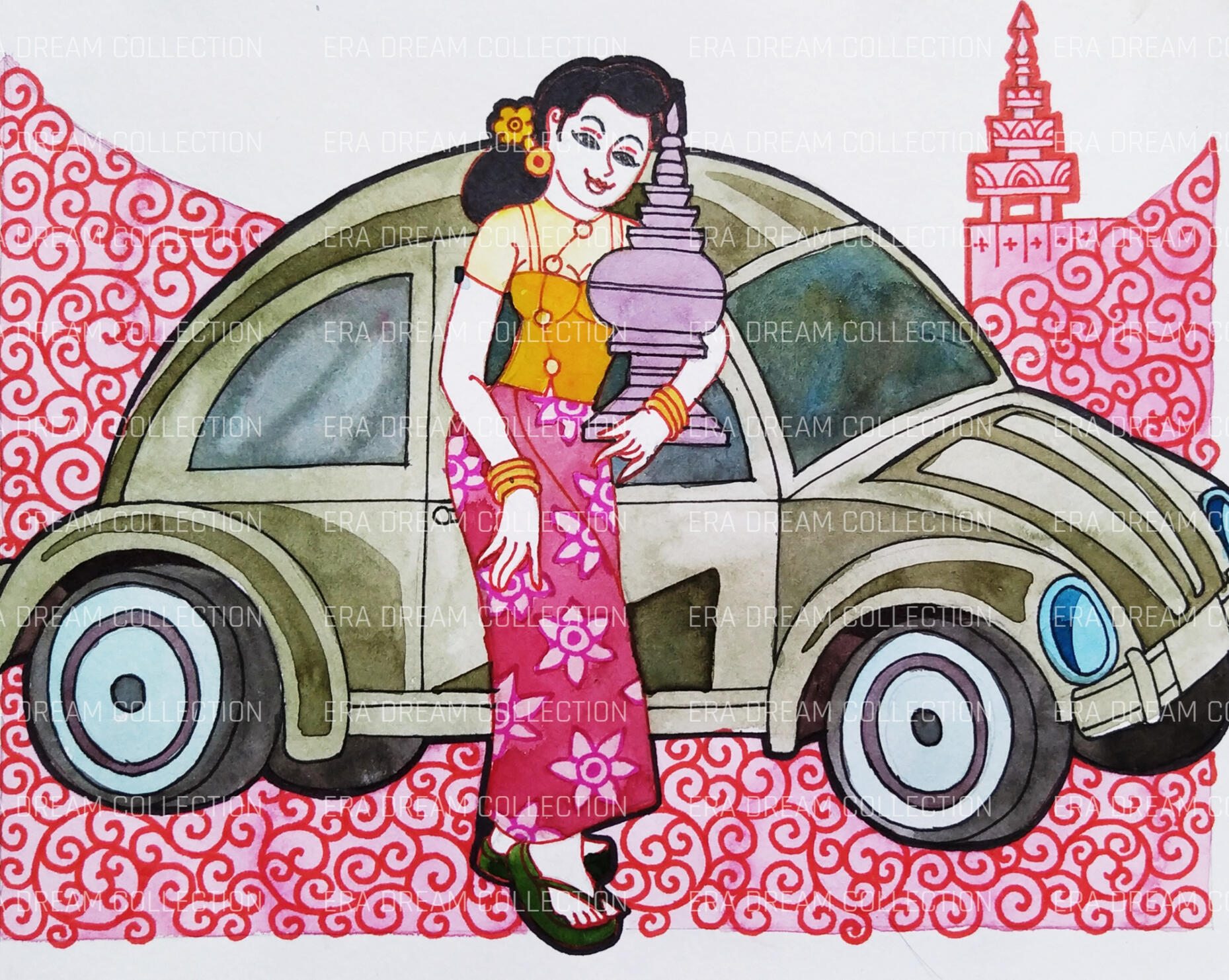
Clothing in the Colonial Era (Kolone Khit)
The Colonial Era brought a fusion of Western and traditional Burmese dress. Social classes, professions, and exposure to urban or rural life influenced clothing styles.
Royalty & Aristocracy
Urban Men (Educated Class, Officials)
Western-style shirts (collared or high Mandarin collars).Longyi replaced paso — a tubular version, easier to wear.Wore blazers, taikpon jackets, or suit coats over shirts.Shoes: Leather sandals, formal shoes.Headgear: Gaung baung (headwrap), or sometimes British-style hats.Note: Colonial-era Burmese gentlemen looked like a mix of East and West — traditional longyi with a Western shirt and jacket.Urban Women
Wore the htamein (tube-style) in both plain cotton and silk.Upper garment: The eingyi blouse — now more common and form-fitting, sometimes with lace or frills (Victorian influence).Hairstyles: Side-bun or chignon, decorated with flowers or hairpins.Footwear: Sandals or Western shoes.Educated women or elites often carried handbags, parasols, or even wore gloves.
Why Are Eras Important?
Knowing about different eras—especially in a cultural and historical context like Myanmar’s—is deeply important for many reasons, particularly when you're working in fields like fashion, heritage, education, or design.They Preserve Identity and Heritage
Each era reflects the soul of its time—how people lived, dressed, thought, and believed.The Bagan Era reflects Buddhist devotion and temple culture.The Inwa and Amarapura Eras showcase royal elegance and feudal court systems.The Yadanabon Era reveals golden age craftsmanship.The Kolone (Colonial) Era shows cultural fusion and resistance.✨ By studying eras, we understand where we come from.✨ They Influence Art, Fashion, and Culture.✨They Help Us Learn From the Past.✨They Shape National Pride and Education.✨They Inspire Creative Innovation.
🌿Our Story
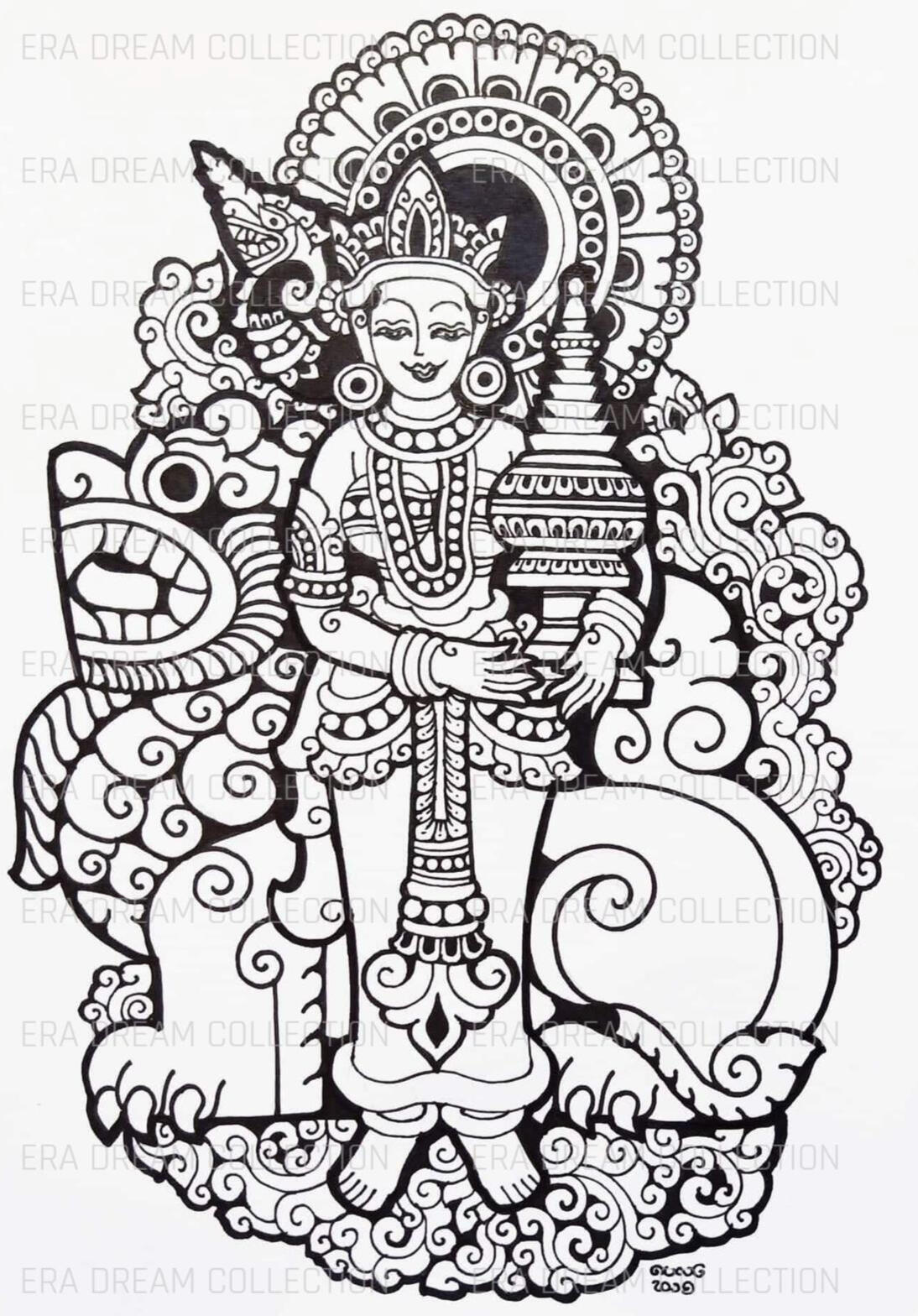
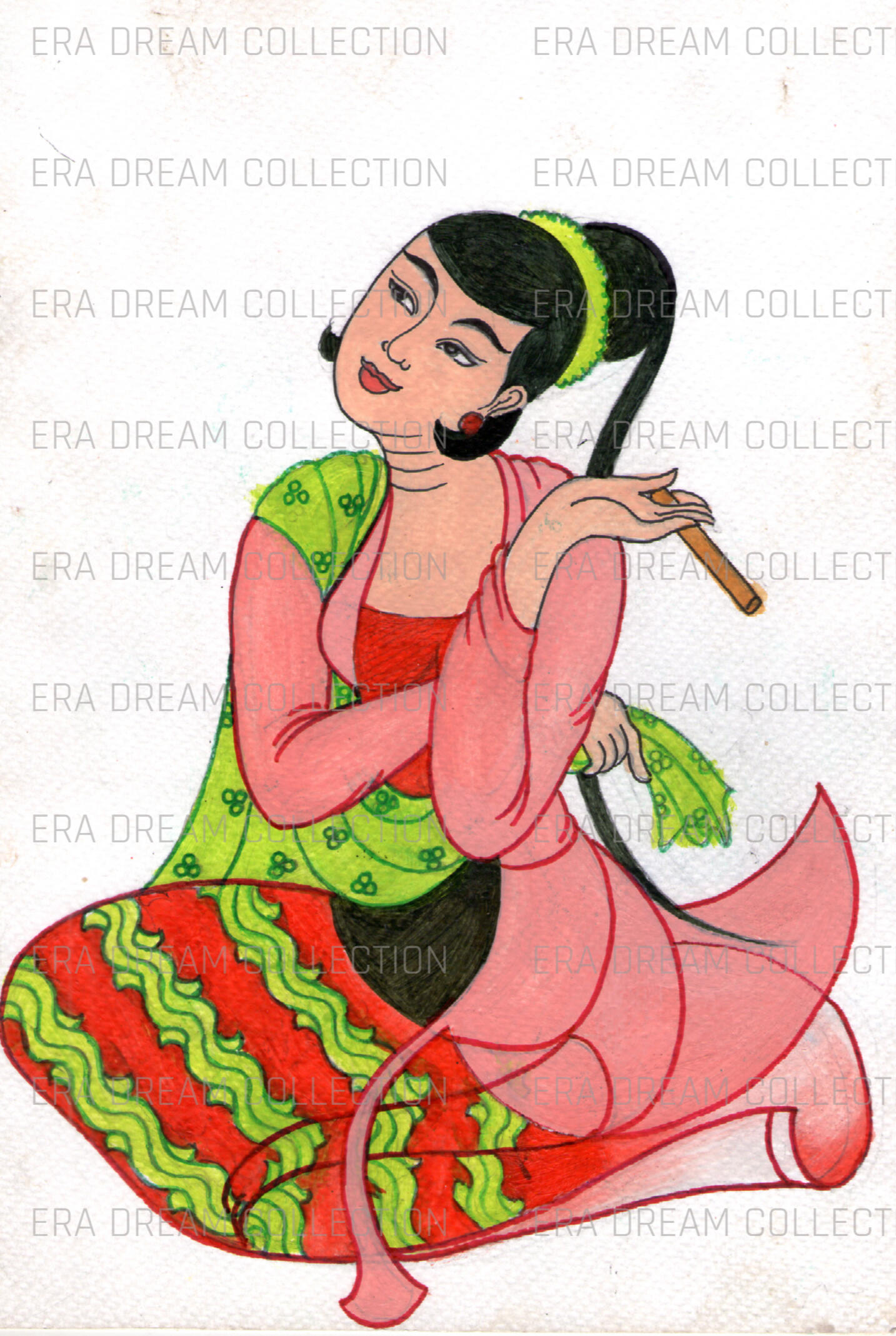
Era Dream Clothing was born from a simple but powerful belief:“Our designs carry the soul of each era into the future.”Founded by Aye Myat Khaing, an artist deeply inspired by Myanmar's cultural roots and aesthetic beauty, Era Dream reimagines traditional Burmese clothing with a modern, graceful touch.From the elegance of Bagan to the woven artistry of Amarapura, each piece reflects a story — of queens, weavers, dancers, and dreamers. We believe fashion is not just about style; it’s a form of memory, identity, and quiet strength.Our Philosophy
Each Aung Myanmar Design collection draws from the heritage of Bagan, Inwa, Yadanabon, and Kolone — reimagining their spirit for the modern world of fashion.Stories, Worn – Each garment is a chapter — a connection between the past, present, and future.
🌏 Our Dream
To make Myanmar’s elegance known to the world — not just as history, but as living, wearable art.
To empower women and men who wear our pieces to feel connected to their roots and confident in their future.